Water Quality
A look into GLWA’s water quality standards, testing, and treatment practices.
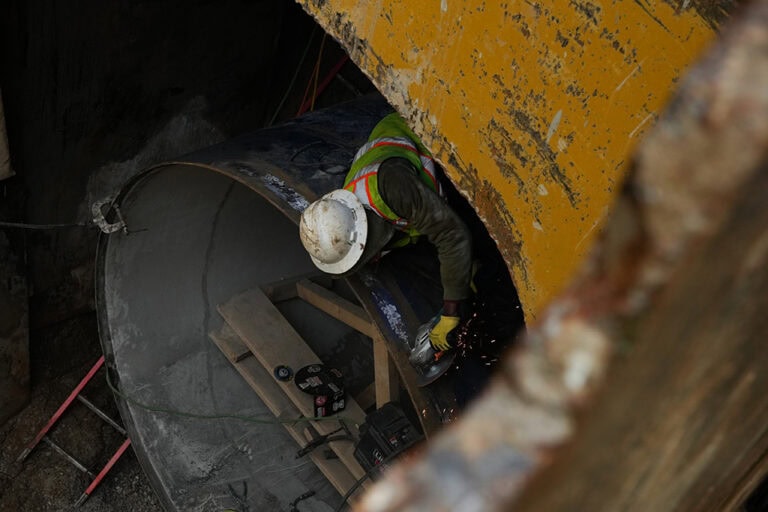
See GLWA’s ongoing investments that strengthen infrastructure and support regional growth.

How GLWA is preparing for regional challenges through strategic planning and innovation.
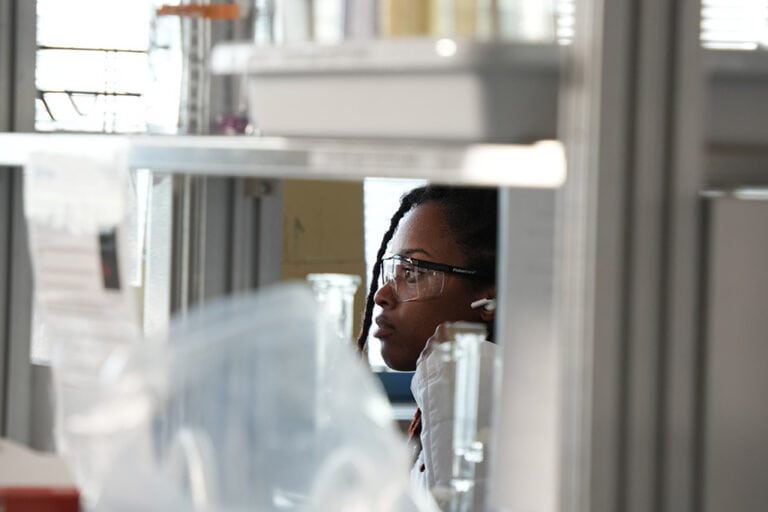
A look into GLWA’s research leadership, pilot programs, and forward-thinking water solutions.
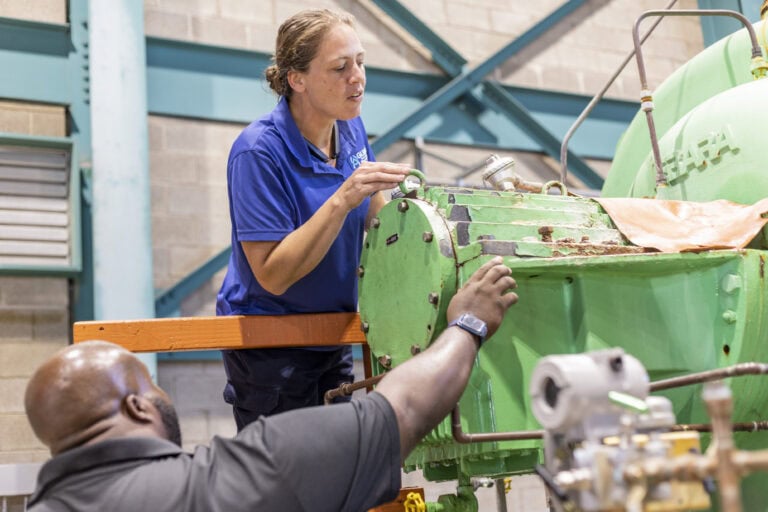
An overview of GLWA’s role, mission, and operations, explaining the how and why behind our water and wastewater services.
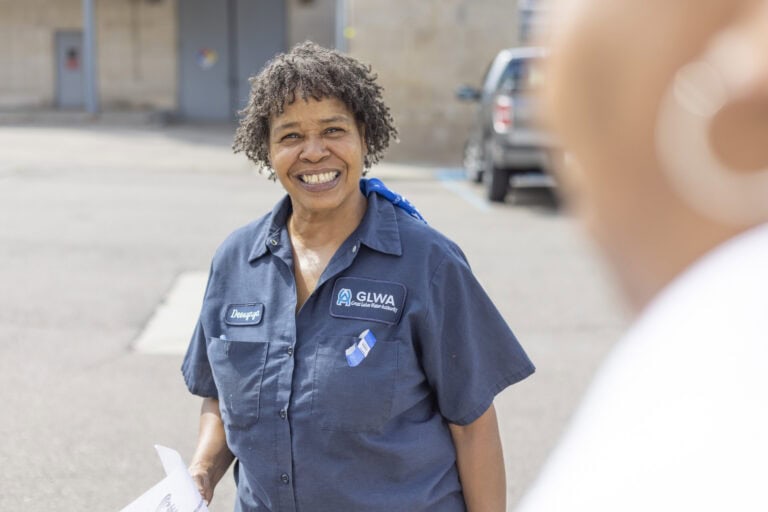
Meet the individuals behind GLWA, including leadership, staff, and the teams that drive daily operations.

An introduction to GLWA’s treatment plants and operational sites.

Discover how partnering with GLWA helps communities share knowledge, access resources, and strengthen regional water systems.

Information for current and prospective vendors, including procurement processes, requirements, and opportunities.

A resource center providing financial documents, agreements, and investment-related materials.
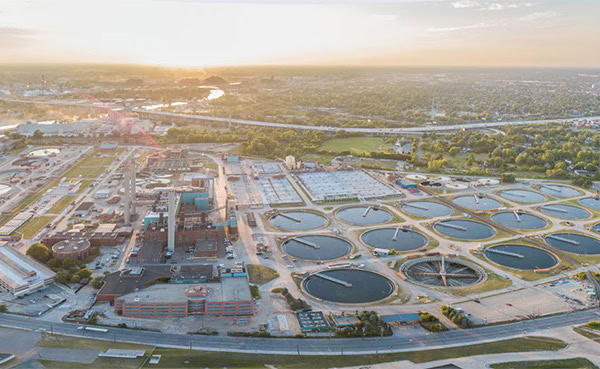
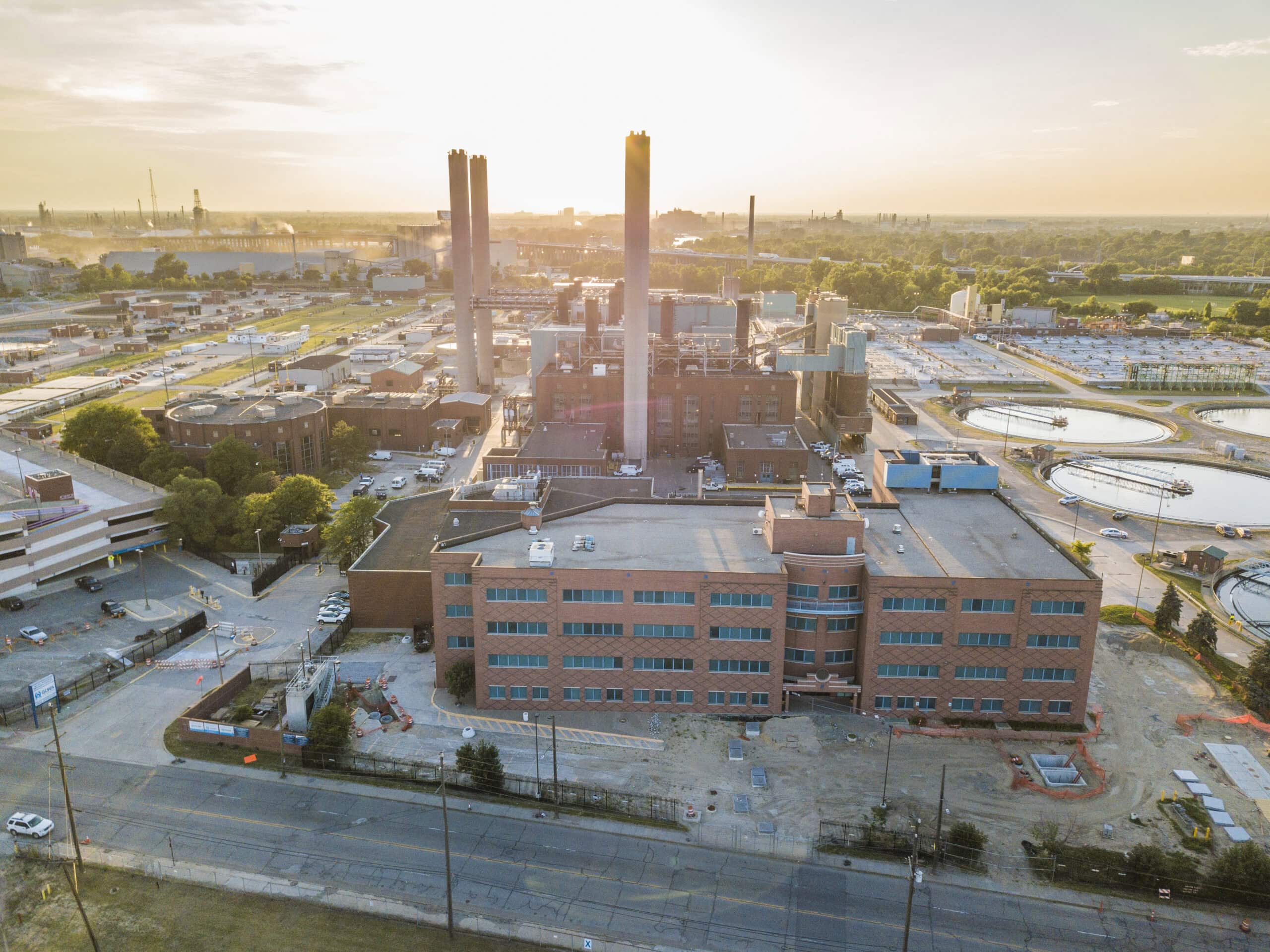
Our wastewater treatment plant, the largest single-site treatment facility in North America, is used as a benchmark for other plants across the Midwest.
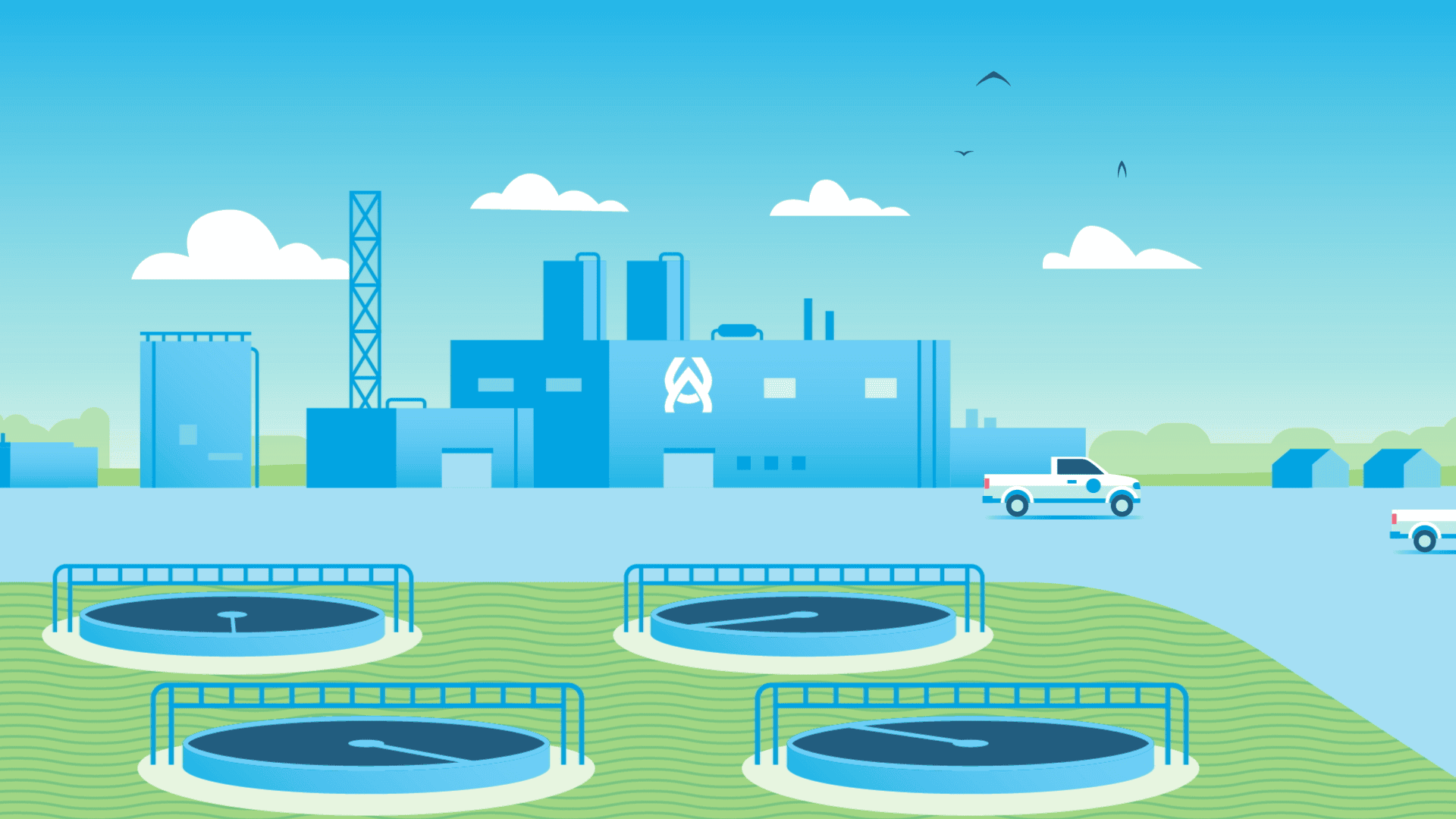
In a giant step toward becoming a Utility of the Future, GLWA is transitioning its Wastewater Treatment Plant (WWTP) to a Water Resource Recovery Facility (WRRF), that will ultimately operate on renewable energy. At the end of this process, the WRRF will be energy neutral, meaning the facility will create enough energy to power its own operations, and perhaps even create excess energy that can be fed into the power grid.
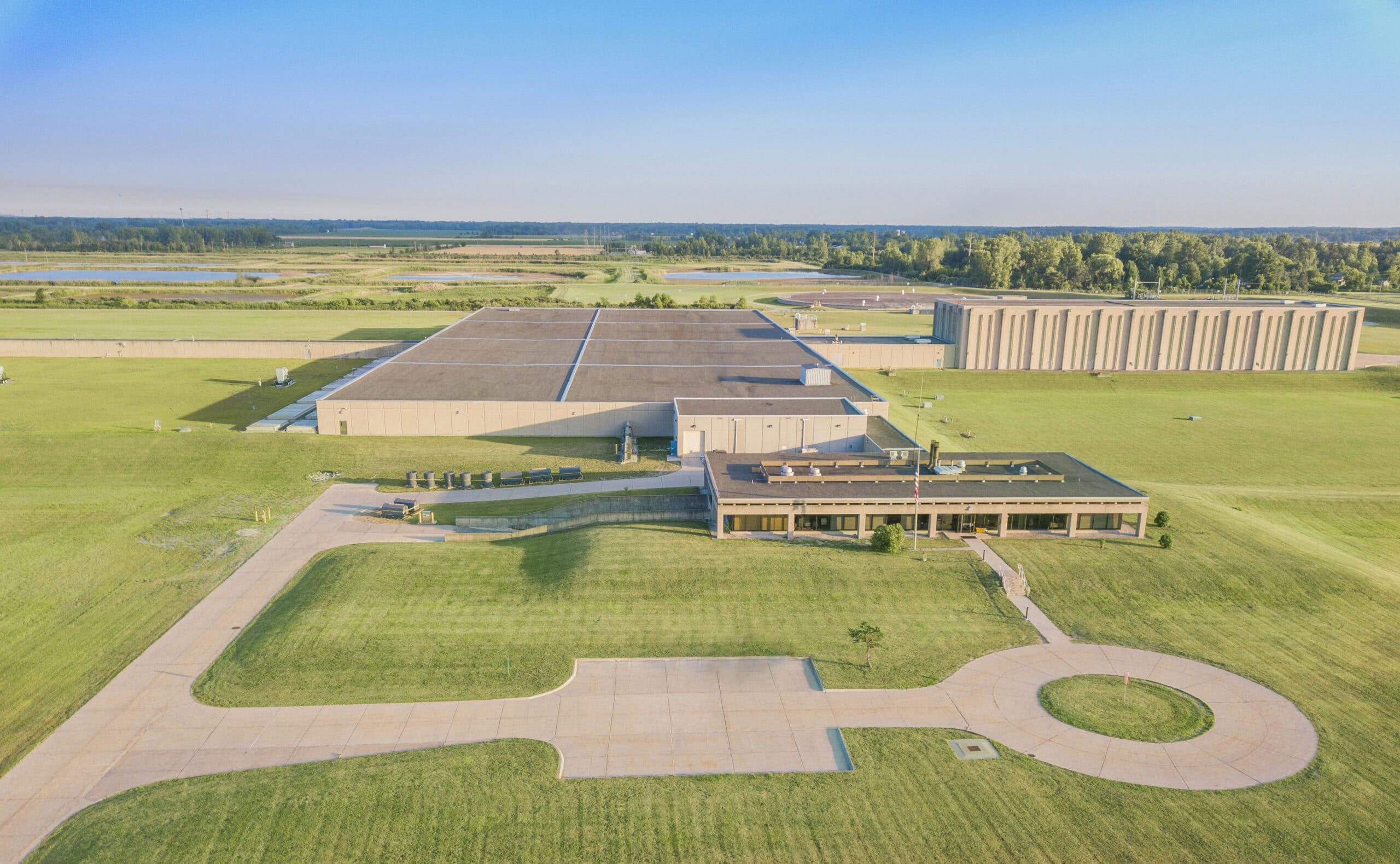
Additionally, a new Biosolids Dryer Facility (BDF) has the ability to turn roughly one billion gallons of biosolids into environmentally friendly fertilizer. This alternative to burning or dumping in a landfill will significantly decrease emissions year-over-year.

GLWA operates and maintains CSO Outfalls and CSO Facilities in accordance with our Michigan Department of Environment, Great Lakes and Energy (EGLE) National Pollutant Discharge Elimination System (NPDES) permit.
If you have been impacted by a sewer back-up and want to file a claim with GLWA, download this form.
The Great Lakes Water Authority’s Industrial Waste Control group implements and enforces an Industrial Pretreatment Program (IPP) to regulate the discharge of commercial and industrial waste and wastewater.
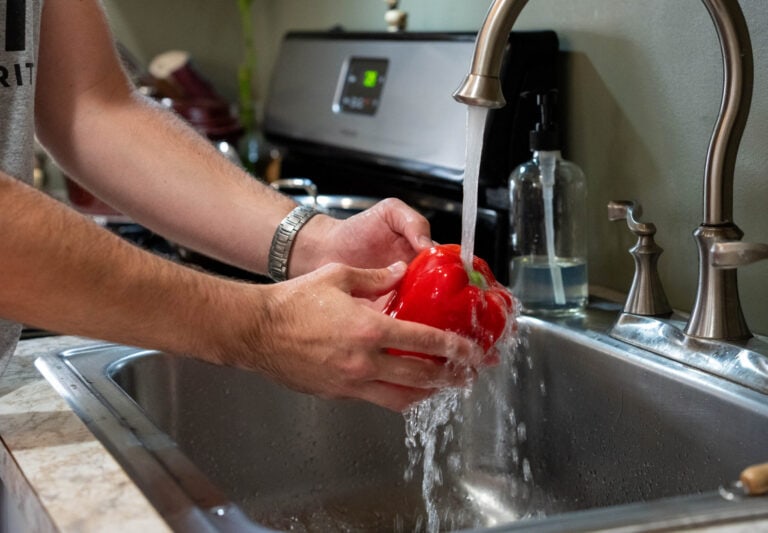
The quality of our drinking water is a Shared Responsibility. GLWA, our member communities and their retail customers are connected through a complex regional water infrastructure system that is designed to protect public health.
Water leaving your home goes either to a septic tank or to GLWA’s Water Resource Recovery Facility (WRRF) through the regional wastewater system. At WRRF, wastewater is treated to meet all state and federal regulations before being released into the environment, often times cleaner than when it was originally received.
All the waste recovered from the water is then sent to GLWA’s Biosolids Dryer Facility to be treated and turned into environmentally friendly fertilizer.
Just like water, our wastewater collection system is a Shared Responsibility. We should be very careful before draining and flushing anything. For example, flushing wipes or pills down the toilet could end up clogging our sewer system and impacting water quality in the Great Lakes.
Watch this video to see the impacts of Flushable Wipes on our sewer systems.
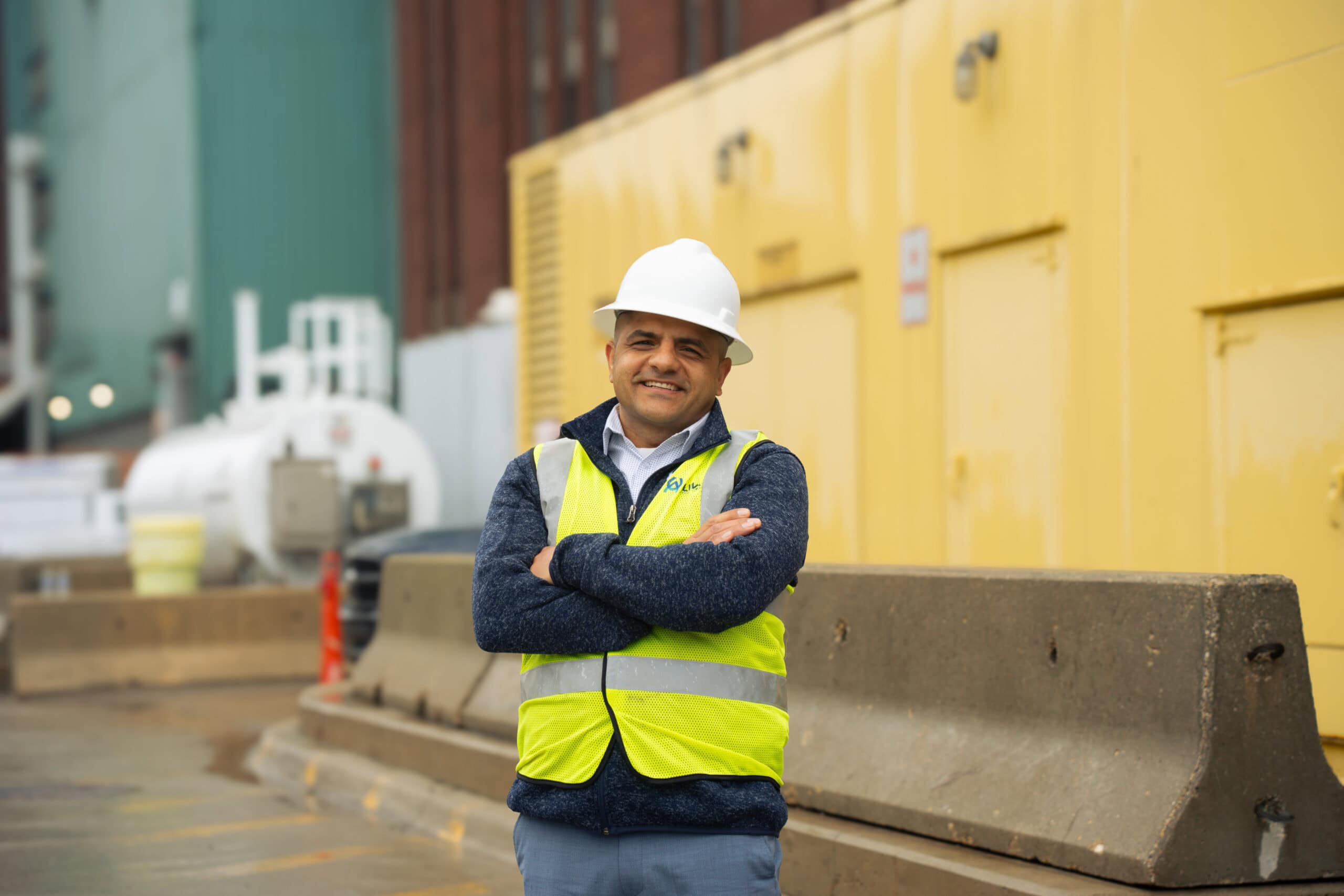
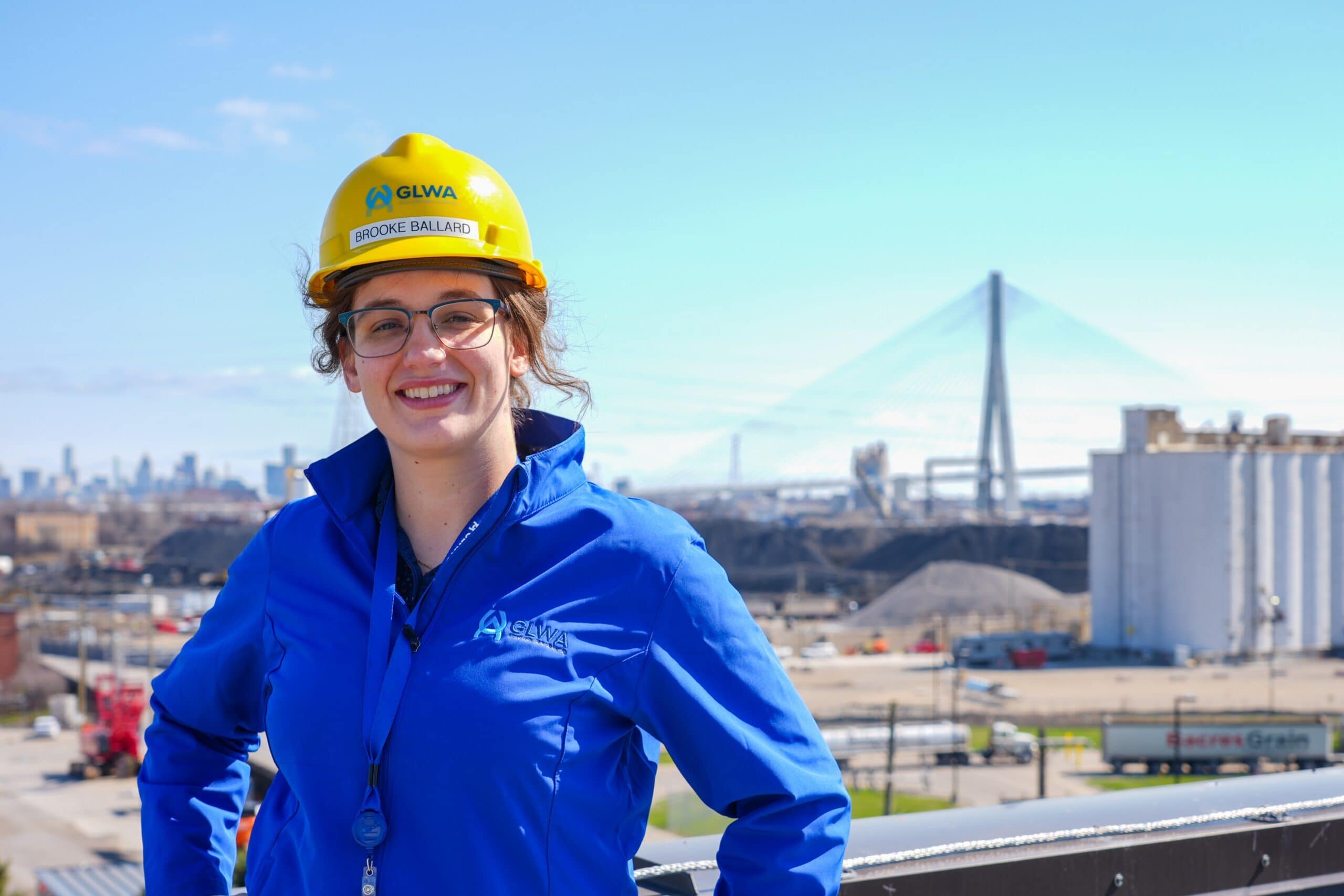
“For most people, the wastewater process is out of sight and out of mind. At GLWA, we understand the responsibility we hold to ensure our system is available and running efficiently while we explore comprehensive solutions for the long term needs of our infrastructure.”
COO, Wastewater Operating Services