Water Quality
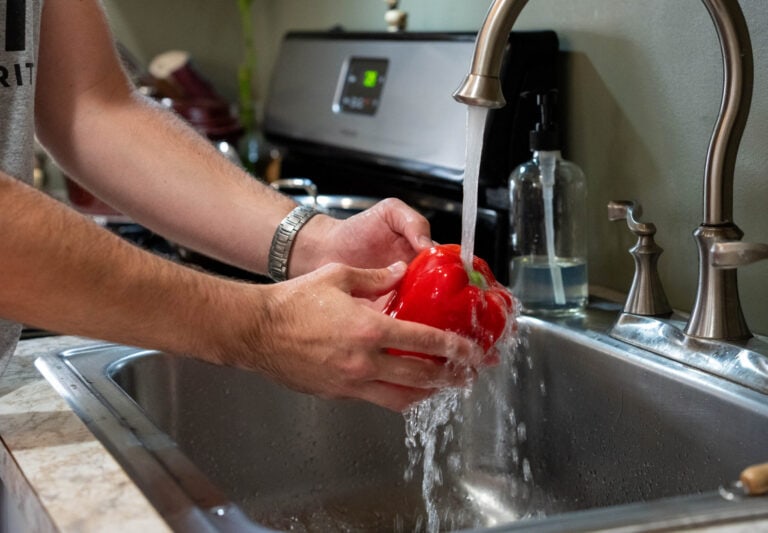
A look into GLWA’s water quality standards, testing, and treatment practices.
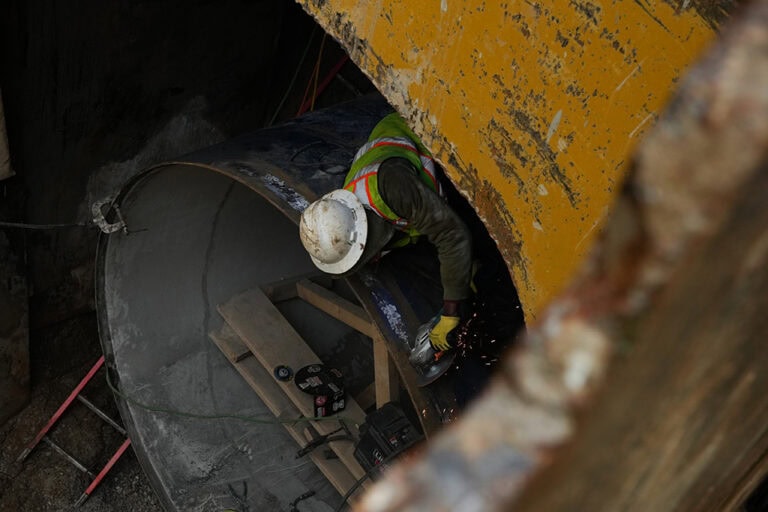
See GLWA’s ongoing investments that strengthen infrastructure and support regional growth.

How GLWA is preparing for regional challenges through strategic planning and innovation.

A look into GLWA’s research leadership, pilot programs, and forward-thinking water solutions.
An overview of GLWA’s role, mission, and operations, explaining the how and why behind our water and wastewater services.

Meet the individuals behind GLWA, including leadership, staff, and the teams that drive daily operations.

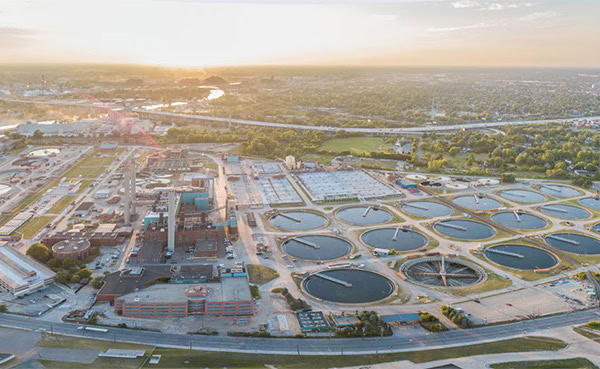
An introduction to GLWA’s treatment plants and operational sites.

Discover how partnering with GLWA helps communities share knowledge, access resources, and strengthen regional water systems.

Information for current and prospective vendors, including procurement processes, requirements, and opportunities.

A resource center providing financial documents, agreements, and investment-related materials.
At GLWA, resiliency equals toughness. Toughness is how well the organization is prepared to prevent disruptions in the system and then recover from them as quickly as possible to minimize negative impacts on the people the Authority serves.
GLWA operationalizes resiliency by developing operational contingency plans and emergency response plans, using a unified command structure, partnering with critical vendors, ensuring access to essential materials and supplies, coordinating regionally, and intentionally integrating lessons learned from each event and disruption.
These resiliency efforts are essential to protecting public health and the environment, while ensuring service to Member Partner communities throughout southeast Michigan.
In 2023, GLWA received programmatic authorization under the Water Resources Development Act for a Southeast Michigan Climate Resiliency Mitigation Study to be conducted in partnership with the United States Army Corps of Engineers (Army Corps). The study will evaluate the following to help inform how best to address the long-term effects of climate change.

Water connects every home, neighborhood, and community we serve. Stewarding it means understanding the complex systems that protect it—and making that knowledge accessible to everyone. By learning how our water works, we strengthen trust, transparency, and shared responsibility. Together, we care for what sustains us today and safeguard it for generations to come.

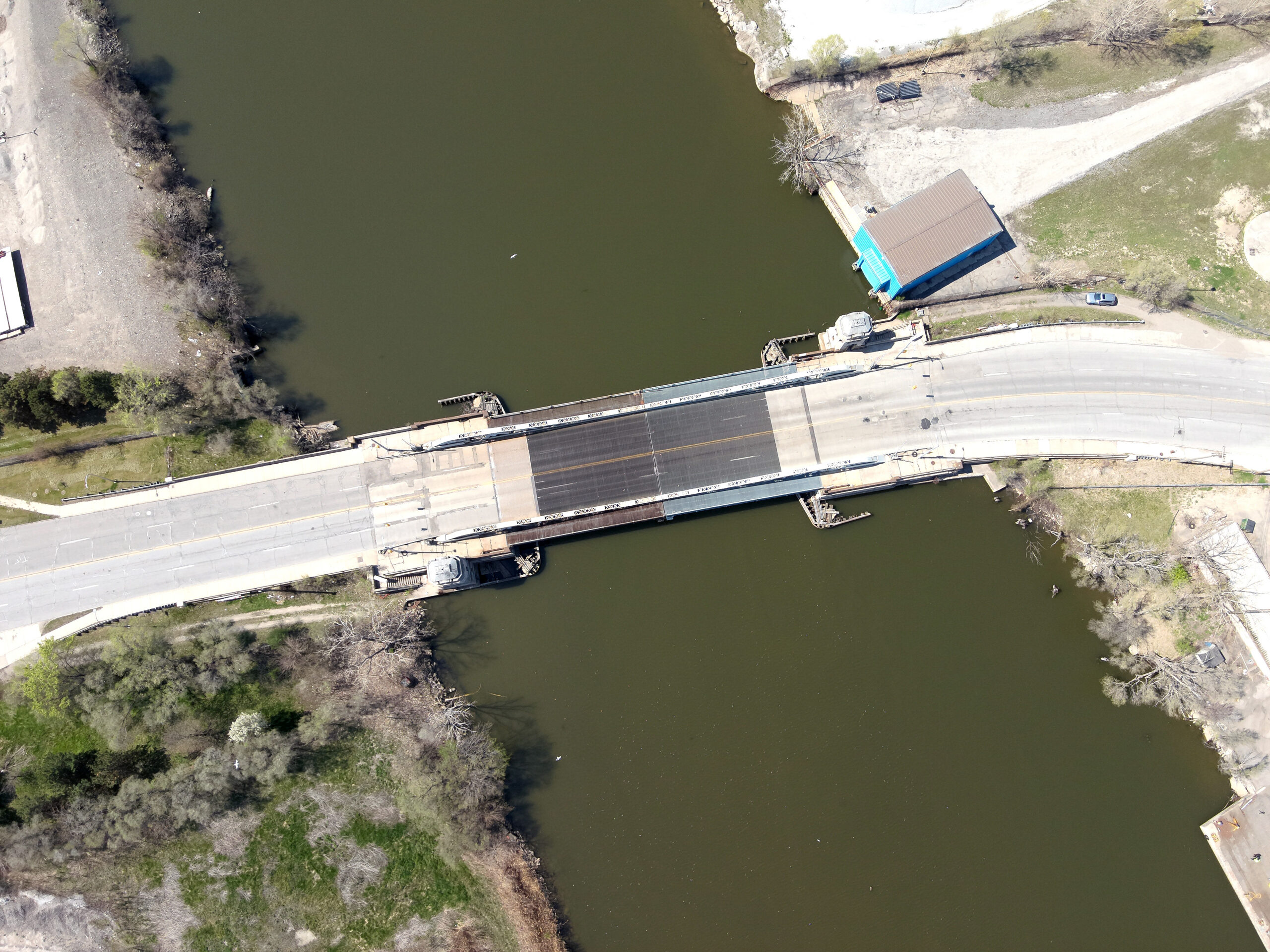
GLWA’s LSIP is designed to proactively assess water transmission mains and wastewater interceptors and renew deteriorated pipelines to reduce the impacts of failures, improve service levels and increase reliability of GLWA’s linear assets.

Access to safe, reliable water is foundational to daily life for
Michigan’s 10 million residents, its visitors, and its businesses of every
size.

“At GLWA, resiliency equals toughness. We’re working to build a culture of resiliency that demonstrates the strength of our team, our system, and our region to protect public health and support communities today, tomorrow, and for generations to come.”
CEO